




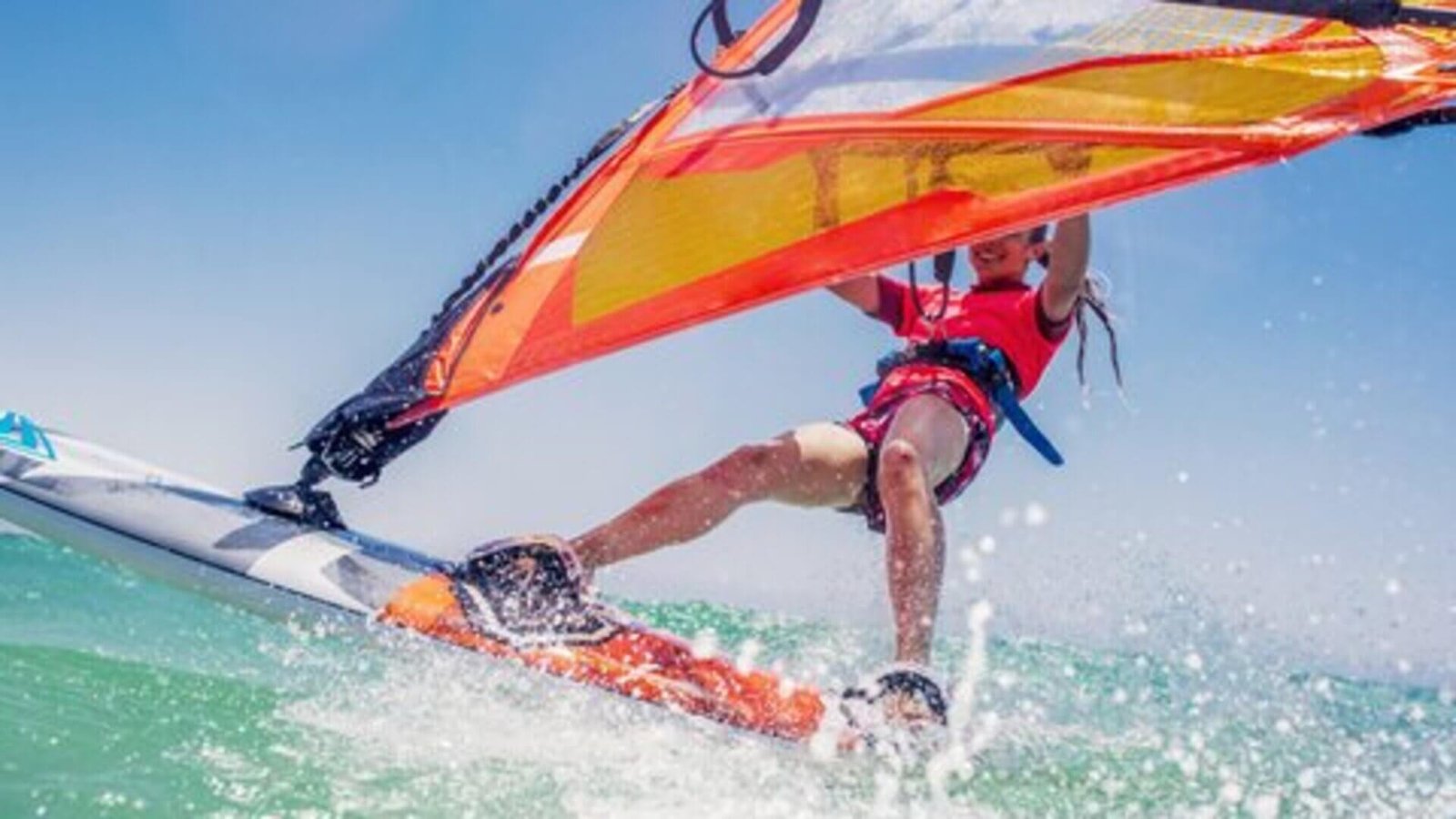

Windsurfing combines balance, wind awareness, board control, and physical endurance into one dynamic water sport. Whether you are a beginner learning the fundamentals or an intermediate rider aiming to improve performance, mastering the windsurfer sailboard requires technique, patience, and proper preparation. Success in windsurfing does not depend solely on strength but on understanding how wind, water, and equipment work together. The following proven tips provide a comprehensive foundation for improving control, confidence, and overall performance on the water.
Understanding Wind Conditions Before You Launch
One of the most important aspects of windsurfer sailboard success is learning how to read wind conditions accurately. Wind strength and direction directly affect stability, speed, and maneuverability. Beginners benefit from moderate, steady winds that provide enough power to move without overwhelming control. Gusty or unpredictable winds can make balance more challenging and increase the risk of falls. Observing water texture, checking local forecasts, and watching other experienced windsurfers before entering the water can significantly improve safety and performance.
Choosing the Right Sail and Board Size
Equipment selection plays a central role in windsurfing progression. Larger boards offer greater stability and buoyancy, making them ideal for beginners who are still developing balance. Smaller boards provide more speed and agility but require stronger technical skills. Sail size should match wind conditions and the rider’s weight, as an oversized sail in strong winds can cause loss of control. Properly matched equipment allows smoother transitions, easier uphauling, and better maneuverability.
Mastering Balance and Body Position
Balance is the foundation of effective windsurfing. Keeping knees slightly bent and weight centered over the board improves stability and shock absorption when riding through small waves. Proper body positioning involves leaning back slightly against the pull of the sail while maintaining a firm grip on the boom. Instead of fighting the wind, successful windsurfers use their body weight as a counterbalance, allowing the wind to power the sail efficiently without excessive strain.
Learning Efficient Sail Control
Controlling the sail determines both direction and speed. Pulling the sail in increases power and acceleration, while easing it out reduces speed and helps maintain balance. Smooth, controlled movements are more effective than sudden jerks. Understanding how to tilt and angle the sail in response to wind shifts helps maintain a steady course. Over time, sail handling becomes intuitive, allowing riders to react quickly to changing wind patterns.
Practicing Turning Techniques Consistently
Turning techniques such as the tack and jibe are essential skills for windsurfer sailboard success. A tack involves turning the board through the wind, while a jibe turns it away from the wind in a more flowing motion. Both maneuvers require coordination between foot placement, sail rotation, and body balance. Regular practice in controlled conditions builds muscle memory and confidence, eventually allowing smoother transitions even in stronger winds.
Building Physical Endurance and Core Strength
Windsurfing engages the entire body, especially the core, legs, and upper back. Improving overall fitness enhances performance and reduces fatigue during longer sessions. Core strength supports balance and sail control, while leg strength helps absorb wave impact and maintain stability. Stretching before and after sessions can also prevent stiffness and improve flexibility, contributing to better control on the water.
Prioritizing Safety and Continuous Learning
Safety is a crucial component of long-term success in windsurfing. Wearing appropriate safety gear, including a life vest and, in some cases, a helmet, can prevent injuries. Staying within your skill level and gradually progressing to stronger winds or advanced maneuvers ensures steady improvement. Many successful windsurfers continue learning through lessons, community groups, and consistent practice, recognizing that mastery develops over time.
Conclusion
Achieving windsurfer sailboard success requires more than enthusiasm; it demands awareness of wind conditions, proper equipment selection, strong technique, and physical preparation. By focusing on balance, sail control, turning skills, and safety, riders can steadily improve their performance and confidence on the water. With consistent practice and a willingness to learn from each session, windsurfing becomes not only a thrilling sport but also a rewarding personal challenge that blends skill, strategy, and connection with nature.

Other Articles

Top Ingredients for the Perfect Cookout Milkshake
Top Reasons to Choose Uvlack Nail Polish