



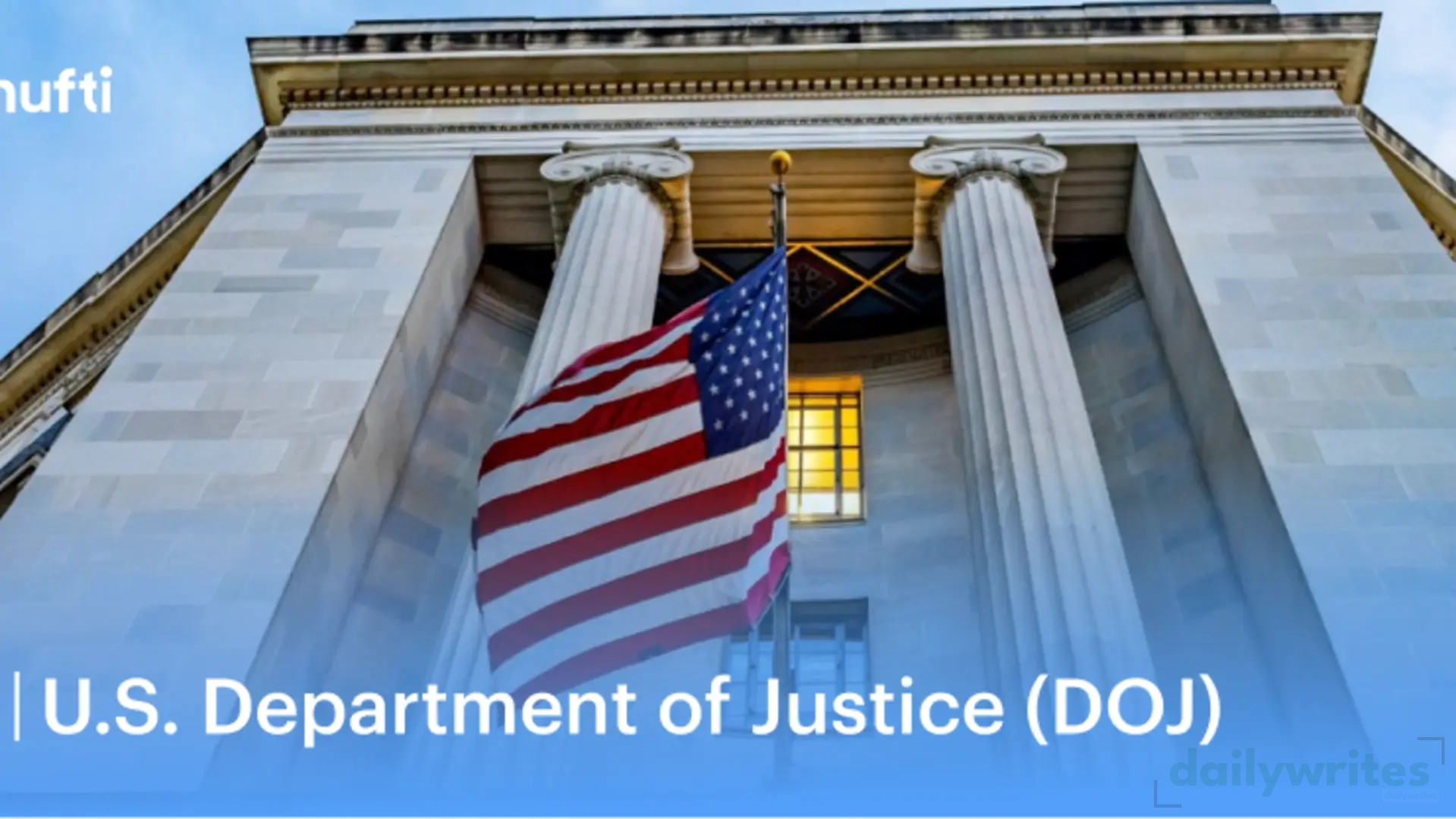

The United States Department of Justice is the primary federal institution responsible for enforcing U.S. laws, defending the interests of the federal government, and ensuring the fair and impartial administration of justice. Established in 1870, the department plays a central role in maintaining the rule of law by overseeing federal prosecutions, protecting constitutional rights, and coordinating national law enforcement efforts across the country.
The Core Mission of the Department of Justice
At its foundation, the Department of Justice exists to uphold the Constitution and ensure that federal laws are applied equally to all individuals and institutions. Its mission focuses on enforcing the law with integrity, defending the United States in legal matters, and protecting civil liberties. The department operates independently from political influence in its day-to-day legal decisions, a principle that is essential for maintaining public trust and judicial fairness.
Enforcing Federal Laws and Prosecuting Crimes
One of the DOJ’s most visible responsibilities is prosecuting violations of federal law. This includes crimes such as terrorism, human trafficking, organized crime, cybercrime, public corruption, and large-scale financial fraud. Through U.S. Attorneys’ Offices across federal districts, the department brings cases to court, represents the government in criminal trials, and ensures that offenders are held accountable under federal statutes.
Overseeing Federal Law Enforcement Agencies
The Department of Justice supervises several major federal law enforcement agencies that investigate crimes and gather evidence. These agencies work together to address threats that cross state or national borders, including violent crime, drug trafficking, and national security risks. By coordinating investigative efforts, the DOJ helps ensure consistent enforcement of federal law nationwide while avoiding duplication of authority.
Protecting Civil Rights and Liberties
A critical function of the DOJ is safeguarding civil rights guaranteed by the Constitution and federal law. The department investigates discrimination based on race, religion, gender, disability, and other protected characteristics. It also enforces voting rights, fair housing laws, and equal employment protections. Through civil litigation and enforcement actions, the DOJ works to ensure that individuals and institutions comply with civil rights laws.
Defending the Federal Government in Court
The Department of Justice represents the United States government in legal proceedings at all levels of the judicial system. This includes defending federal agencies and officials when they are sued, as well as arguing cases before appellate courts and the Supreme Court. By handling these cases, the DOJ ensures that federal policies and actions are reviewed within a lawful framework.
Shaping Legal Policy and Advising the Government
Beyond litigation and enforcement, the DOJ provides legal advice to the President and executive branch agencies. It interprets federal laws, reviews proposed legislation, and issues legal opinions that guide government actions. This advisory role helps ensure that federal operations align with constitutional and statutory requirements.
Maintaining the Rule of Law in the United States
Overall, the Department of Justice serves as a cornerstone of the American legal system. Its responsibilities extend beyond punishment to include prevention, protection of rights, and the preservation of democratic principles. By enforcing laws fairly, defending the Constitution, and coordinating national justice efforts, the DOJ plays a vital role in maintaining stability, accountability, and public confidence in the rule of law.
Conclusion
In conclusion, the United States Department of Justice is far more than a prosecutorial body. It is a multifaceted institution responsible for enforcing federal laws, protecting civil rights, advising the government, and defending the nation’s legal interests. Through its broad authority and commitment to impartial justice, the DOJ remains essential to ensuring that the legal system functions fairly and effectively for all.

Other Articles

Mila Volovich: Biography, Career, Achievements & Vision
Official History of the New York Yankees Franchise