




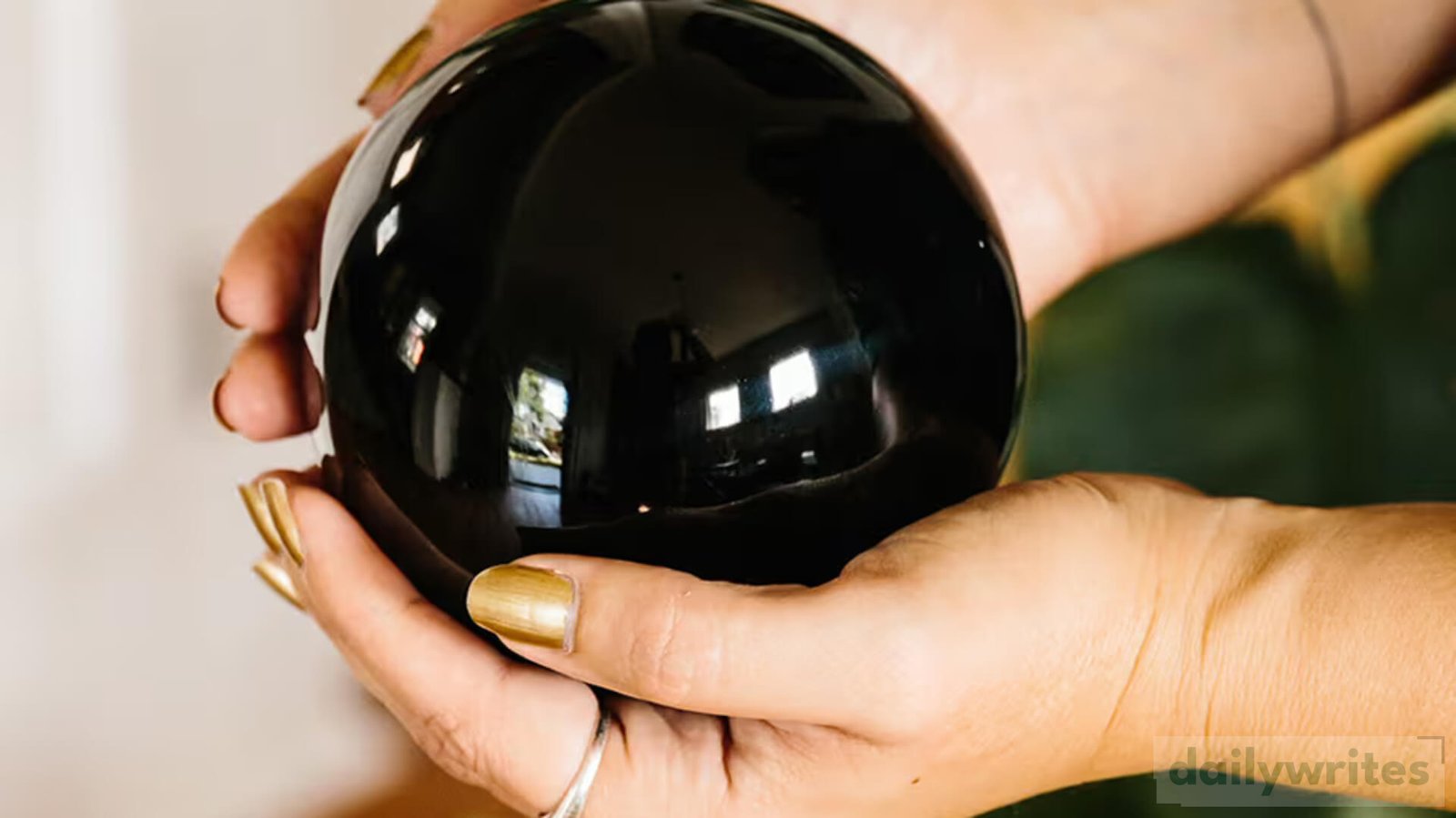

Scrying mirror is an ancient divination practice used for self-reflection, intuition, and symbolic insight. Practitioners gaze into a reflective surface—often a darkened mirror—to quiet the conscious mind and allow images, feelings, or impressions to arise.
Below is a clear, step-by-step guide to practicing mirror scrying safely and mindfully.
What Is Mirror Scrying?
Mirror scrying (sometimes called dark mirror scrying) involves entering a relaxed, focused state while gazing into a mirror. Rather than “seeing the future” literally, many practitioners interpret impressions symbolically—as messages from the subconscious or intuitive mind.
This practice appears across cultures and traditions and is often used for meditation, insight, or personal clarity.
What You Need for Mirror Scrying
- A mirror (black mirror preferred, but any clean mirror works)
- A dimly lit, quiet room
- One or two candles (optional, for soft lighting)
- A comfortable chair or cushion
- A calm, uninterrupted time window (15–30 minutes)
Avoid bright lights, phones, or distractions.
Step 1: Prepare Your Space
Choose a quiet area where you won’t be disturbed. Dim the lights so the mirror reflects shadows rather than sharp details. If using candles, place them behind or beside you—not directly in front of the mirror—to avoid glare.
Sit comfortably at eye level with the mirror.
Step 2: Set an Intention
Before you begin, take a moment to clarify your purpose. This might be:
- Seeking insight into a situation
- Exploring inner emotions
- Practicing mindfulness or intuition
Keep intentions open-ended rather than demanding specific outcomes.
Step 3: Relax Your Mind and Body
Close your eyes and take several slow, deep breaths. Release physical tension and allow your thoughts to settle. The goal is not to “force” visions, but to enter a calm, receptive state.
When you feel centered, gently open your eyes.
Step 4: Gaze Softly into the Mirror
Look into the mirror without focusing on your reflection. Let your gaze soften, as if looking through the surface rather than at it. Avoid straining your eyes.
Over time, you may notice:
- Shifts in light or shadow
- Faces or shapes forming
- Colors, symbols, or movements
- Emotional impressions or thoughts
These experiences vary widely and may be subtle.
Step 5: Observe Without Judgment
Allow impressions to arise naturally. Do not analyze or react during the session. Simply observe. If nothing appears, that is normal—scrying often takes practice.
If your mind wanders, gently return your focus to your breath and the mirror.
Step 6: Close the Session Gently
After 15–30 minutes, or when you feel complete, slowly break your gaze. Take a few deep breaths and ground yourself by stretching or touching a solid object.
Blowing out candles (if used) can serve as a symbolic closure.
Step 7: Reflect and Interpret
After the session, reflect on what you experienced. Journaling can help identify patterns or meanings. Interpret symbols personally—there is no universal dictionary. What matters most is how the experience resonates with you.
Tips for Beginners
- Keep sessions short at first
- Practice regularly rather than expecting instant results
- Avoid scrying when emotionally distressed or exhausted
- Treat the practice as introspection, not prediction
Mirror scrying is most effective when approached with patience and curiosity.
Safety and Mindset Considerations
Scrying should feel grounding and calm. If you experience anxiety, discomfort, or lingering distress, stop the practice. Mirror scrying is not a substitute for mental health care and should be approached as a reflective or meditative exercise.
Conclusion
Scrying with mirrors is a quiet, introspective practice that encourages inner awareness and symbolic insight. By creating the right environment, maintaining a relaxed mindset, and practicing regularly, mirror scrying can become a meaningful tool for self-discovery and mindful reflection.

Other Articles

5 Benefits of Burning Sage Leaves at Home
How to Relieve Dry Eyes Permanently Naturally at Home