




Plain Seam (Geradnaht)
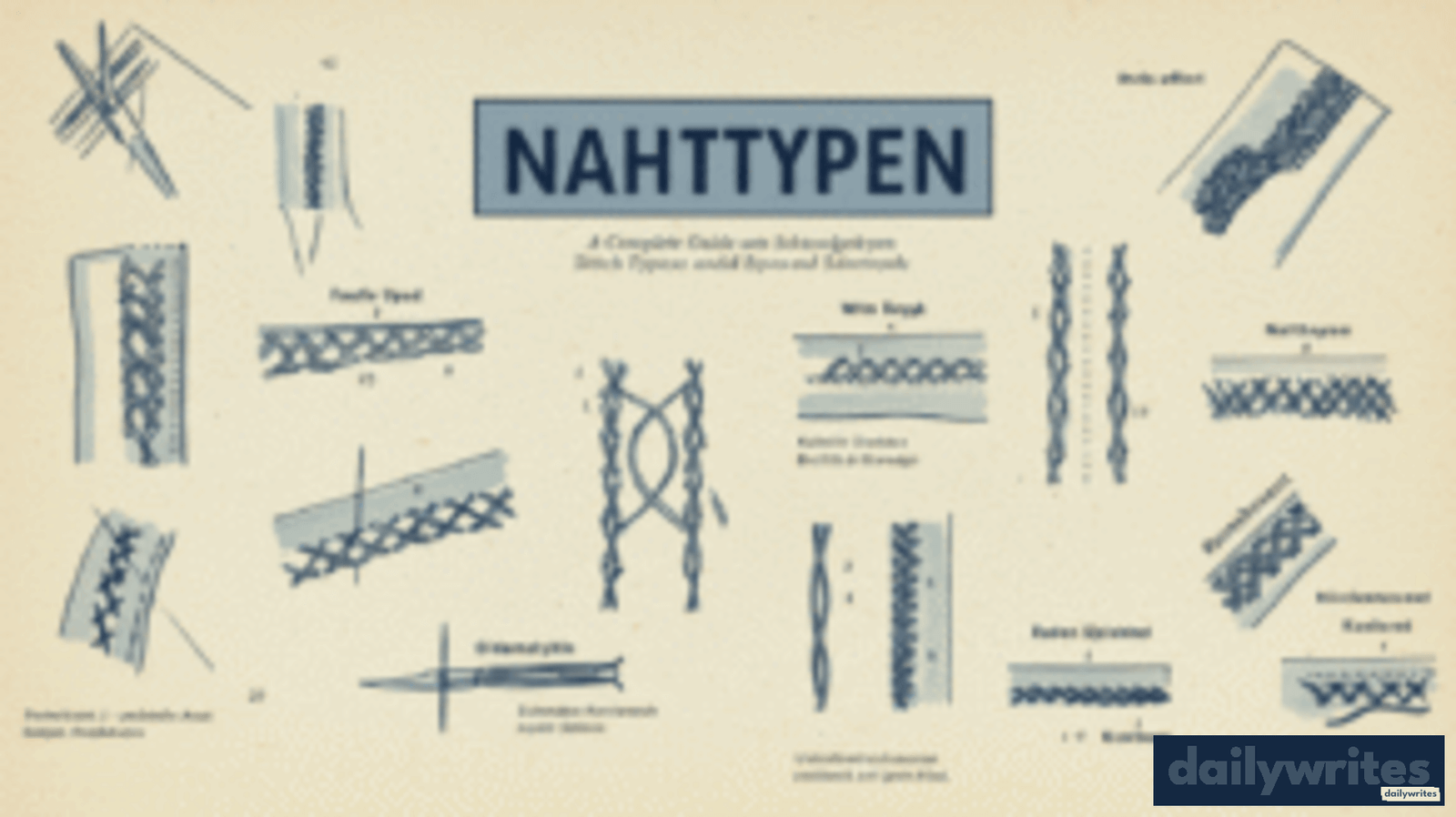
The plain seam is the most common and fundamental Nahttypen used in sewing. It is created by stitching two fabric pieces together with their right sides facing. This seam is best used for basic garment construction, prototypes, and areas that will later be finished with additional techniques such as zigzag stitching or overlocking. It is versatile and easy to alter, making it ideal for beginners and general sewing projects.
French Seam
The French seam is designed to fully enclose raw fabric edges, resulting in a clean and polished interior finish. This Nahttyp is best used for lightweight, sheer, or delicate fabrics such as chiffon, silk, and organza. It improves comfort and durability while maintaining a refined appearance, especially in garments where the inside is visible or worn close to the skin.
Flat-Felled Seam
Flat-felled seams are known for their strength and durability. This Nahttyp is commonly seen in jeans, shirts, and workwear because it encloses raw edges and lies flat against the fabric. It is best used for garments that experience frequent stress, such as trousers, outerwear, and high-movement areas like armholes and inseams.
Overlocked Seam
An overlocked seam is created using a serger or overlock machine, which trims and finishes raw edges in one step. This Nahttyp is best suited for knit fabrics and ready-to-wear garments that require stretch and flexibility. It is widely used in commercial clothing production due to its speed, neat finish, and ability to prevent fraying.
Lapped Seam
Lapped seams are formed by overlapping one piece of fabric over another and stitching them together. This Nahttyp works best for thick or non-fraying materials such as leather, denim, and felt. It provides strong structural support and is often used in jackets, bags, and upholstery projects where durability is more important than invisibility.
Bound Seam
A bound seam uses bias tape or fabric strips to encase raw edges. This Nahttyp is best used when both durability and decorative appeal are desired. It works well for unlined jackets, skirts, and garments made from medium-weight fabrics, adding strength while also enhancing the visual finish inside the garment.
Double-Stitched Seam
Double-stitched seams involve sewing two parallel lines of stitching for extra reinforcement. This Nahttyp is best used in stress-prone areas such as shoulders, crotches, and armholes. It improves seam strength while maintaining flexibility, making it suitable for casual wear and children’s clothing.
Piped Seam
Piped seams include a decorative cord encased in fabric and sewn into the seam line. This Nahttyp is best used for decorative purposes while also adding structure. It is commonly seen in cushions, formal garments, uniforms, and tailored clothing where design detail and seam definition are important.
Slot Seam
Slot seams create a visible opening between fabric panels, often backed with a contrasting fabric. This Nahttyp is best used for decorative garment design rather than structural strength. It is commonly found in skirts, jackets, and fashion-forward pieces where visual interest is prioritized.
Mock French Seam
The mock French seam mimics the look of a French seam but is easier to construct. This Nahttyp is best used for medium-weight fabrics where a clean finish is desired without the complexity of a true French seam. It offers a balance between durability, appearance, and ease of sewing.
Conclusion
Understanding common Nahttypen and their best uses is essential for producing well-constructed and long-lasting garments. Each seam type serves a specific purpose, from basic construction and durability to decorative finishes and fabric protection. By choosing the right Nahttyp for each project, sewists can significantly improve garment quality, comfort, and professional appearance.


7 Key Facts About the Rowdy Oxford Lawsuit
10 Health Benefits of Eating Yalla Choy