



Measles is a highly contagious viral disease that continues to cause outbreaks in different parts of the world despite being preventable through vaccination. In recent years, public health authorities have reported a resurgence of measles cases, largely linked to declining immunization rates and increased global travel. Understanding how measles spreads, who is most at risk, and how outbreaks can be prevented is essential for protecting both individuals and communities.
What Is a Measles Outbreak
A measles outbreak occurs when the measles virus spreads rapidly within a population, particularly in areas where vaccination coverage is low. The virus spreads through respiratory droplets released when an infected person coughs, sneezes, or talks. Measles is so contagious that it can remain active in the air or on surfaces for up to two hours, making enclosed and crowded environments especially high-risk during outbreaks.
Main Causes of Measles Outbreaks
The primary cause of measles outbreaks is insufficient vaccination coverage. When a significant portion of the population is unvaccinated or under-vaccinated, herd immunity weakens, allowing the virus to spread easily. Vaccine hesitancy, misinformation about vaccine safety, limited access to healthcare, and disruptions in routine immunization programs all contribute to the resurgence of measles. International travel also plays a role, as infected individuals can introduce the virus into communities where immunity levels are low.
Health Risks Associated With Measles
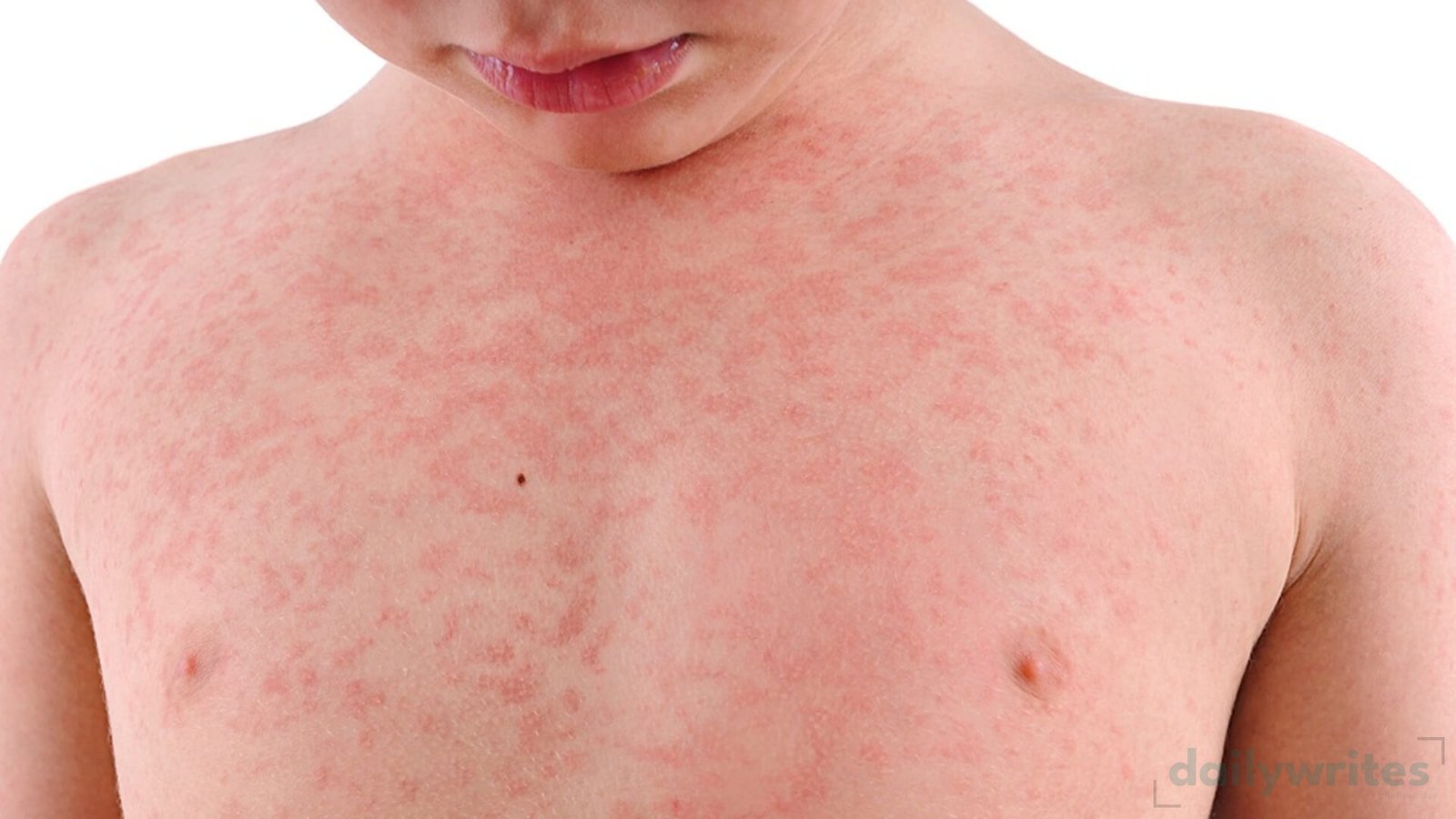
Measles is not a mild childhood illness and can lead to serious health complications. Common symptoms include high fever, cough, runny nose, red eyes, and a distinctive rash that spreads across the body. In severe cases, measles can cause pneumonia, encephalitis, severe dehydration, and even death. Young children, pregnant women, and individuals with weakened immune systems face the highest risk of complications, making outbreaks particularly dangerous for vulnerable populations.
Why Measles Spreads So Quickly
Measles has one of the highest transmission rates among infectious diseases. A single infected person can spread the virus to many others who are not immune, often before symptoms are fully recognized. Because early symptoms resemble common respiratory infections, individuals may unknowingly expose others before seeking medical care. This rapid transmission explains why outbreaks can escalate quickly without prompt public health intervention.
Prevention Through Vaccination
Vaccination is the most effective way to prevent measles outbreaks. The measles, mumps, and rubella (MMR) vaccine provides strong, long-lasting protection when administered according to recommended schedules. High vaccination coverage creates herd immunity, which protects those who cannot be vaccinated due to medical reasons. Maintaining routine immunization programs and ensuring timely vaccinations are critical steps in preventing future outbreaks.
Public Health Measures During Outbreaks
When a measles outbreak occurs, public health authorities implement measures such as case isolation, contact tracing, and emergency vaccination campaigns. Schools and healthcare facilities may introduce additional precautions to limit exposure. Public awareness campaigns also play a vital role by educating communities about symptoms, transmission, and the importance of vaccination.
Conclusion
In conclusion, measles outbreaks are largely preventable but remain a serious public health concern due to gaps in vaccination coverage and increased global mobility. The disease poses significant risks, especially to vulnerable groups, and spreads rapidly in communities without strong immunity. By prioritizing vaccination, improving public awareness, and supporting public health interventions, measles outbreaks can be effectively controlled and ultimately prevented, protecting both individual health and community well-being.

Other Articles

How to Build a Winning Team Like Nick Saban
Tiimatuvat: Architectural Insights into Finnish Traditions