



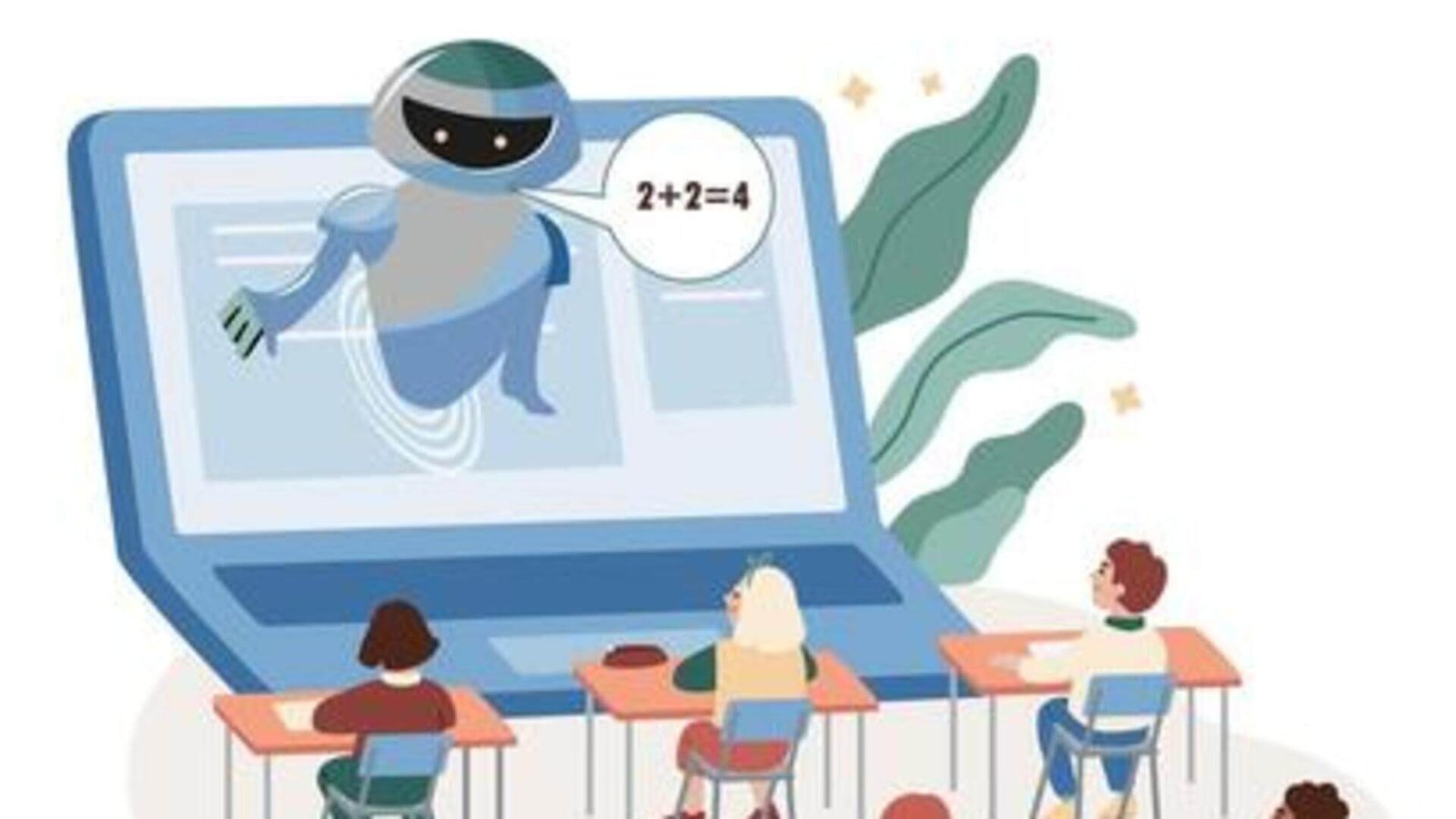

Artificial intelligence is no longer a futuristic concept confined to research labs or science fiction. It is now deeply integrated into everyday life, especially in education. As machines become capable of processing information, recognizing patterns, and improving through data-driven feedback, students are simultaneously adapting to a learning environment transformed by technology. The phrase “The Machines Are Learning, and So Are the Students” captures this parallel evolution—where AI systems refine their algorithms while learners refine their skills in an increasingly digital world.
Understanding Machine Learning in Modern Education
Machine learning, a branch of artificial intelligence, enables systems to learn from data and improve performance without being explicitly programmed for every task. In educational contexts, this technology powers personalized learning platforms, adaptive testing systems, and intelligent tutoring tools. These systems analyze student performance in real time, identifying strengths and weaknesses to tailor instruction accordingly.
Institutions around the world are integrating AI-driven tools into classrooms, allowing teachers to monitor progress more efficiently while giving students customized feedback. Rather than replacing educators, machine learning enhances instructional capabilities by automating repetitive tasks and offering data-based insights that support better decision-making.
Personalized Learning and Adaptive Education
One of the most significant impacts of AI in education is personalization. Traditional classroom models often follow a one-size-fits-all structure, but machine learning algorithms can adjust content difficulty based on individual progress. If a student struggles with a concept, the system can provide additional practice or alternative explanations. If a student excels, the platform can introduce advanced material.
This adaptive learning approach helps bridge achievement gaps by meeting learners at their specific skill levels. Students no longer need to progress at the same pace as their peers; instead, they can follow individualized pathways that align with their learning speed and style.
The Role of AI Tools in Student Development
AI-powered applications are increasingly used for research assistance, writing support, language learning, and exam preparation. These tools help students refine critical thinking skills, improve grammar, and gain access to vast information quickly. However, the effectiveness of such tools depends largely on how responsibly they are used.
While AI can accelerate learning, it also requires students to develop digital literacy and ethical awareness. Understanding how algorithms work, recognizing potential biases, and verifying information sources are essential skills in an AI-driven educational landscape.
Challenges and Ethical Considerations
Despite its advantages, AI integration in education raises important concerns. Data privacy remains a central issue, as many educational platforms collect large amounts of student performance data. Institutions must ensure compliance with privacy regulations and maintain transparency about how data is used.
Additionally, overreliance on AI tools can impact independent problem-solving skills if not balanced with traditional learning methods. Educators play a critical role in maintaining equilibrium between technological assistance and active human instruction. AI should support, not replace, meaningful teacher-student interaction.
How Students Are Evolving Alongside Technology
As machines “learn” through algorithmic updates, students are simultaneously developing new competencies. Digital fluency, online collaboration, and critical evaluation of AI-generated information are becoming core skills in modern education. Students are no longer passive recipients of knowledge; they are active participants in a technologically dynamic environment.
Exposure to AI systems also encourages interest in STEM fields, coding, and data science. Young learners who interact with intelligent systems gain early familiarity with the tools shaping future industries. This dual growth—machines becoming smarter and students becoming more technologically adept—creates a feedback loop that continuously advances educational innovation.
The Future of AI in Classrooms
Looking ahead, artificial intelligence is expected to play an even larger role in education. Predictive analytics may help identify students at risk of falling behind before performance declines significantly. Virtual AI tutors could provide round-the-clock assistance, and immersive technologies may integrate machine learning with augmented or virtual reality experiences.
However, the future of AI in education will depend on responsible implementation. Policymakers, educators, and technology developers must collaborate to ensure equitable access, ethical standards, and transparency. The goal should not be automation for its own sake but meaningful enhancement of the learning experience.
Conclusion
“The Machines Are Learning, and So Are the Students” reflects a transformative era in education where artificial intelligence and human development evolve together. Machine learning technologies are reshaping how knowledge is delivered, assessed, and personalized, while students adapt by strengthening digital literacy, critical thinking, and technological awareness. When implemented thoughtfully and ethically, AI can serve as a powerful educational ally—supporting teachers, empowering students, and preparing the next generation for a world increasingly defined by intelligent systems.
Frequently Asked Questions About AI and Student Learning
How is artificial intelligence changing the way students learn?
Artificial intelligence is transforming education by introducing adaptive learning systems, intelligent tutoring platforms, and automated feedback tools. These technologies analyze student performance in real time and adjust content difficulty accordingly, allowing learners to progress at their own pace. Instead of relying solely on traditional classroom instruction, students can now access personalized learning pathways that address individual strengths and weaknesses. This shift supports deeper understanding, improves engagement, and helps bridge learning gaps more effectively than one-size-fits-all teaching models.
Can AI replace teachers in the classroom?
AI is not designed to replace teachers but to support and enhance their work. While machine learning systems can automate grading, provide instant feedback, and recommend learning resources, they cannot replicate human empathy, mentorship, and contextual judgment. Teachers play a critical role in guiding discussions, fostering creativity, and supporting students’ emotional development. The most effective educational models integrate AI as a complementary tool, allowing educators to focus more on meaningful instruction and student interaction.
What are the benefits of personalized learning powered by AI?
AI-powered personalized learning offers several advantages, including customized lesson pacing, targeted practice exercises, and immediate performance analysis. Students who struggle with specific topics receive additional support, while advanced learners can explore more challenging material without waiting for the rest of the class. This adaptability increases engagement and reduces frustration, leading to improved academic outcomes. Additionally, personalized systems generate valuable insights for teachers, helping them make data-informed decisions about classroom strategies

Other Articles

Understanding Character Archetypes in Fiction
Top 7 Cambro TV Features You Should Know