




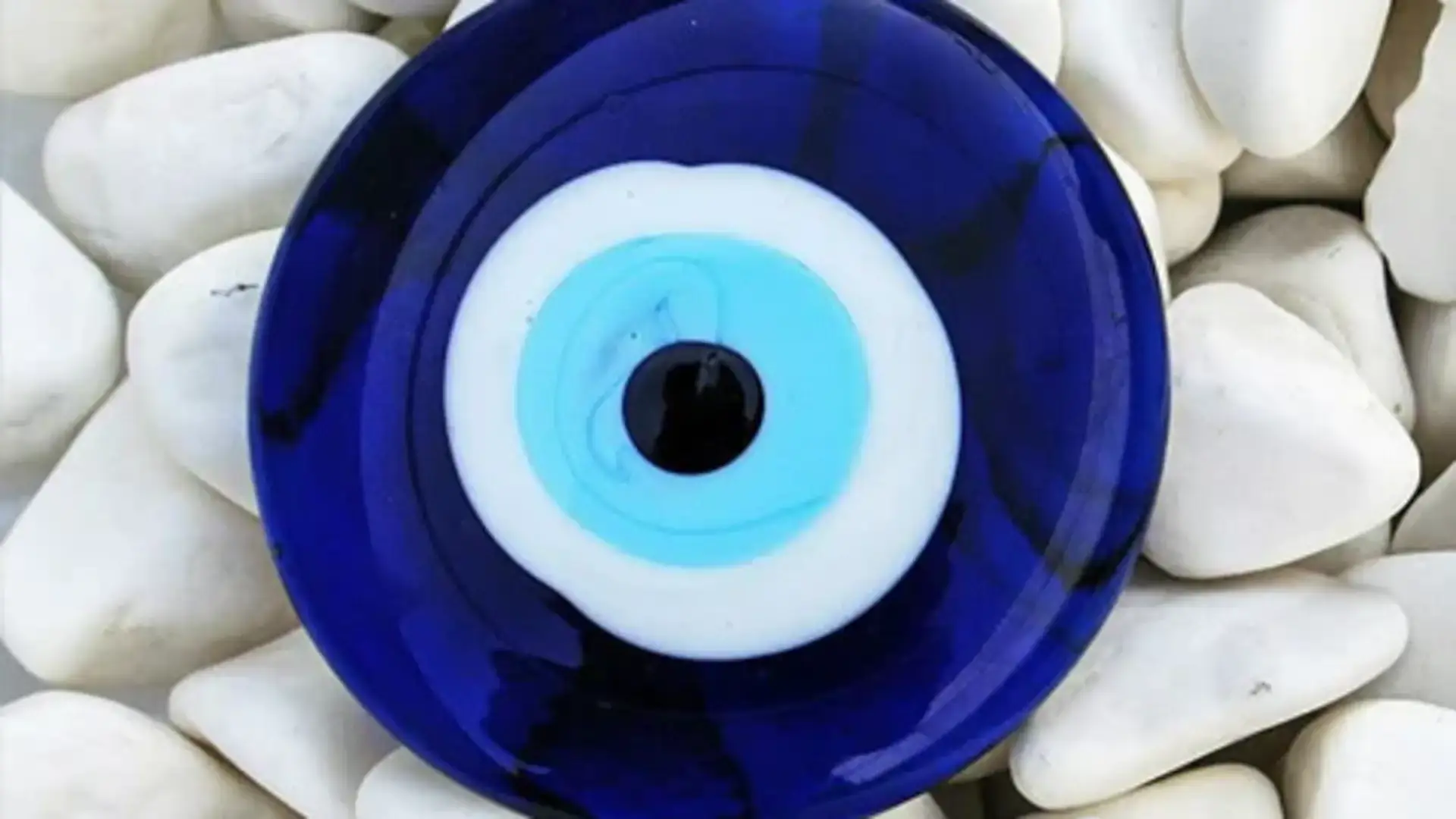

The concept of the evil eye is one of the oldest and most widespread beliefs in human history. Across cultures and centuries, people have feared that envy or ill intentions could manifest through a powerful gaze capable of causing harm. The evil eye symbol, often represented as a blue eye-shaped amulet, remains popular today in jewelry, home décor, and spiritual practices. Understanding the meaning of the evil eye requires exploring its ancient origins, cultural interpretations, protective symbolism, and the myths that continue to surround it.
The Meaning of the Evil Eye
At its core, the evil eye refers to a belief that a person can unintentionally or deliberately cause misfortune, illness, or bad luck simply by looking at someone with envy or jealousy. The “eye” symbolizes attention charged with negative energy. In many traditions, the harm is not necessarily the result of witchcraft or ritual but can stem from ordinary human emotions such as admiration mixed with envy. Because of this, the belief emphasizes the power of intention and emotional energy in shaping one’s well-being.
The protective evil eye symbol, often called a nazar in certain regions, is designed to reflect or absorb negative energy. Rather than representing harm, the blue eye amulet serves as a shield intended to guard individuals, homes, and possessions from misfortune.
Ancient Origins of the Evil Eye Belief
The belief in the evil eye dates back thousands of years and appears in some of the earliest recorded civilizations. Historical references to the evil eye can be found in ancient Mesopotamian texts, Greek writings, and Roman culture. In classical Greece, philosophers such as Plutarch discussed the idea that harmful energy could be transmitted through the eyes. The Romans adopted similar beliefs, incorporating protective charms into daily life.
In the Middle East and Mediterranean regions, the concept became deeply integrated into social customs. Ancient amulets were crafted from glass, stone, or clay and worn as protection. These artifacts reveal how seriously communities regarded the threat of envy and how early spiritual practices developed to counteract it.
Cultural Interpretations Around the World
Although the core idea of the evil eye remains consistent, interpretations vary across cultures. In Turkey and surrounding regions, the blue glass nazar bead is widely recognized as a protective symbol and is commonly displayed in homes, vehicles, and workplaces. In Greece, it is known as “mati,” meaning eye, and is similarly worn to ward off negativity.
In South Asian traditions, protective rituals are often performed to shield children from the evil eye, reflecting the belief that vulnerability increases susceptibility. In Latin American cultures, the concept of “mal de ojo” carries similar meaning, with specific healing rituals developed to counteract its effects. These global variations highlight how the belief has adapted to different spiritual frameworks while maintaining its essential theme of protection against envy-driven harm.
Symbolism and Design of the Evil Eye Amulet
The traditional evil eye amulet typically features concentric circles of blue, white, and black, forming an eye-like design. The color blue is often associated with protection, calmness, and spiritual defense. The layered circular pattern is believed to represent watchfulness and reflection, symbolically returning negative energy to its source.
Modern interpretations have expanded the design into bracelets, necklaces, rings, wall hangings, and decorative art. While contemporary fashion has embraced the aesthetic appeal of the symbol, its spiritual meaning continues to resonate with those who believe in its protective qualities.
Common Myths About the Evil Eye
Despite its popularity, many misconceptions surround the evil eye. One common myth is that the symbol itself brings bad luck. In reality, the amulet is intended to protect rather than attract harm. Another misunderstanding is that the evil eye requires intentional malice. In many traditions, harm can occur unintentionally through admiration combined with envy, which explains why protective symbols are widely used even among close friends and family.
Some also believe that if an evil eye charm breaks, it signals disaster. In certain interpretations, however, a broken charm is seen as a sign that it has successfully absorbed negative energy and fulfilled its purpose. These myths demonstrate how interpretations evolve and sometimes diverge from traditional meanings.
The Evil Eye in Modern Spirituality and Fashion
In contemporary culture, the evil eye symbol has transcended religious and regional boundaries. It is frequently incorporated into fashion accessories and home décor without strict adherence to traditional rituals. Social media and global commerce have further popularized the design, making it a widely recognized emblem of protection.
At the same time, many individuals continue to use the symbol within spiritual practices, viewing it as a reminder to remain mindful of jealousy, intention, and personal energy. The continued relevance of the evil eye reflects humanity’s enduring concern with unseen forces and emotional influence.
Conclusion
The evil eye meaning is rooted in ancient beliefs about envy, intention, and the power of human emotion. Originating in early civilizations and spreading across cultures worldwide, it has evolved into both a spiritual safeguard and a modern cultural symbol. While myths and interpretations vary, the central theme remains consistent: the desire to protect oneself from negative energy and misfortune. Whether viewed as a spiritual talisman or a cultural artifact, the evil eye continues to symbolize protection, awareness, and resilience across generations.

Other Articles

Ksözcü: Meaning, Uses, Impact & Digital Future
Spotify to MP3: Easy & Fast Conversion Guide