




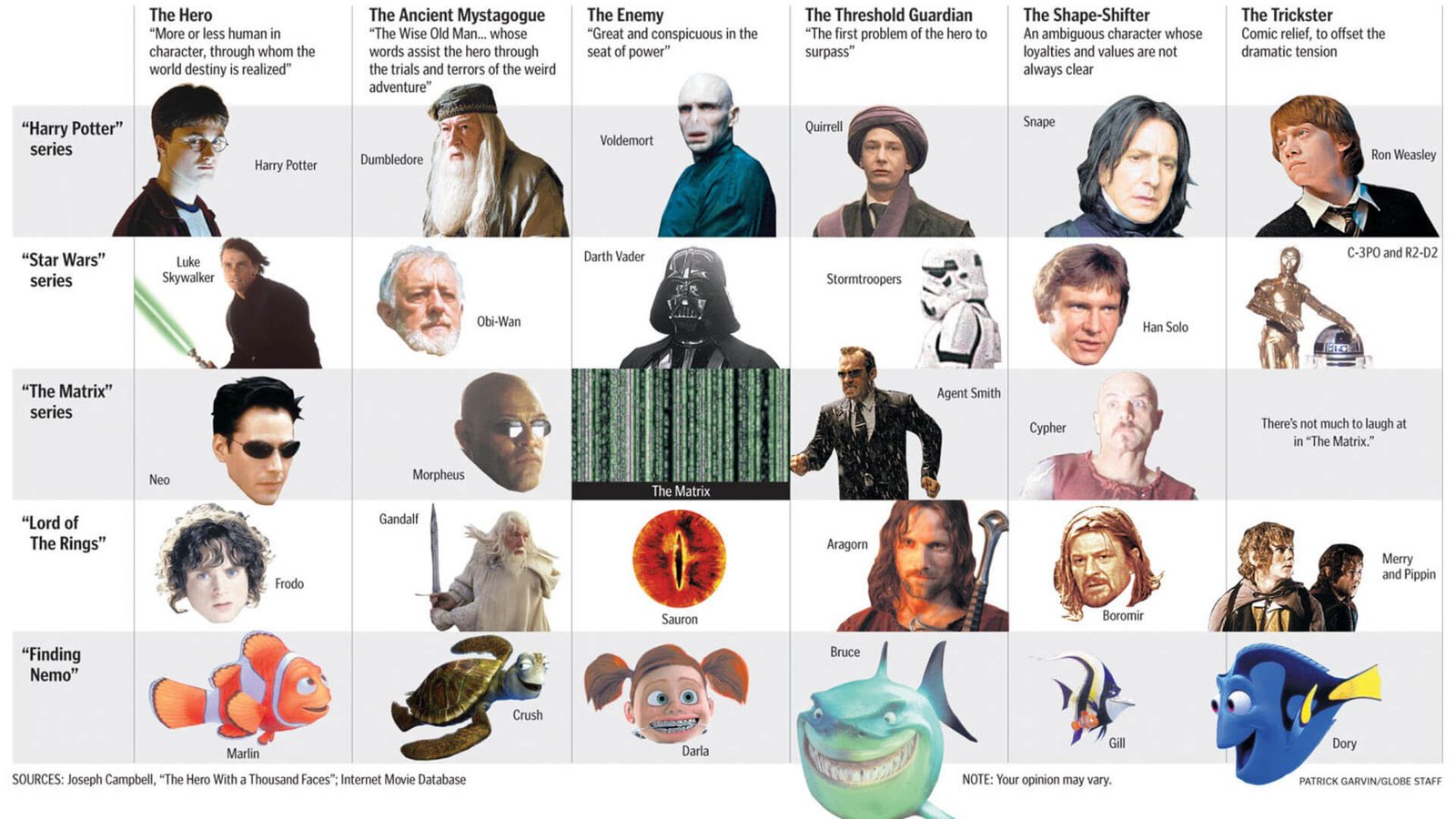

Character archetypes are foundational storytelling patterns that appear repeatedly across cultures, genres, and time periods. From ancient mythology to modern novels and films, writers have relied on recognizable character types to shape compelling narratives. Understanding character archetypes in fiction allows readers to analyze stories more deeply and helps writers craft characters that feel both timeless and emotionally resonant.
What Are Character Archetypes in Fiction
Character archetypes are universally recognizable character models that represent fundamental human traits, roles, or psychological patterns. The concept is often associated with Swiss psychologist Carl Jung, who proposed that archetypes exist within the collective unconscious and recur across myths, religions, and stories worldwide. In literature, these archetypes function as narrative building blocks, giving audiences a familiar framework through which to interpret characters and plot developments.
Archetypes do not mean clichés. While clichés are predictable and overused without depth, archetypes serve as foundational templates that can be expanded, subverted, or modernized. A well-written archetypal character feels layered and authentic rather than stereotypical.
The Hero Archetype and Its Variations
The hero archetype is one of the most recognizable patterns in fiction. The hero typically embarks on a journey, faces obstacles, grows through challenges, and ultimately confronts a central conflict. This narrative structure was famously outlined by Joseph Campbell in his concept of the “Hero’s Journey.” The hero often represents courage, transformation, and resilience.
However, modern storytelling frequently reinterprets the hero. Anti-heroes, reluctant heroes, and morally complex protagonists challenge traditional expectations. These variations demonstrate how archetypes can evolve while maintaining their structural roots.
The Mentor as Guide and Catalyst
The mentor archetype plays a crucial role in guiding the hero. Mentors provide wisdom, training, or insight that prepares the protagonist for upcoming trials. This archetype appears in countless narratives, from ancient epics to contemporary fantasy and science fiction.
Beyond offering advice, mentors often symbolize knowledge and experience. In some stories, the mentor’s absence or sacrifice becomes a pivotal turning point that forces the hero to mature independently. This reinforces the archetype’s function as a catalyst for growth.
The Shadow and the Villain Archetype
The shadow archetype represents the darker aspects of human nature and often manifests as the story’s antagonist. The villain challenges the hero, embodying fear, corruption, or moral opposition. Importantly, strong villains are rarely evil without motivation; instead, they often reflect distorted versions of the hero’s own values or unresolved conflicts.
In psychological terms, the shadow symbolizes repressed desires or flaws. In fiction, this dynamic creates compelling tension, especially when the villain mirrors the protagonist in meaningful ways. Such complexity enhances the emotional and thematic depth of the story.
Supporting Archetypes and Ensemble Roles
Beyond heroes, mentors, and villains, fiction includes numerous supporting archetypes that enrich narratives. The loyal companion offers emotional support and stability, while the trickster disrupts order and introduces unpredictability. The caregiver provides compassion, and the rebel challenges authority. Each archetype contributes to the story’s structure by influencing conflict, tone, and character development.
Ensemble storytelling, particularly in modern television and fantasy sagas, often combines multiple archetypes within a single cast. This layered approach allows writers to explore different perspectives and thematic contrasts within the same narrative world.
How Archetypes Shape Plot and Theme
Character archetypes do more than define personalities; they shape the trajectory of the plot. The hero’s journey creates a structure for conflict and resolution. The mentor’s guidance establishes preparation and growth. The shadow introduces stakes and moral tension. Together, these roles form a dynamic system that drives narrative progression.
Archetypes also reinforce themes. Stories about redemption often center on flawed heroes confronting their shadow. Tales of rebellion rely on characters who challenge oppressive forces. Because archetypes are rooted in universal human experiences, they allow themes to resonate across cultural boundaries.
Modern Subversions and Reinterpretations
Contemporary fiction frequently subverts traditional archetypes to surprise audiences. Villains may become sympathetic protagonists, while heroes may reveal morally ambiguous traits. Mentors might fail or mislead, and supporting characters can take on central roles. These reinterpretations do not eliminate archetypes but rather demonstrate their adaptability.
By reshaping familiar patterns, modern writers maintain narrative engagement while still drawing upon timeless storytelling foundations. The balance between tradition and innovation keeps archetypes relevant in evolving literary landscapes.
Conclusion
Understanding character archetypes in fiction reveals the structural patterns that underpin powerful storytelling. Rooted in psychological theory and mythological tradition, archetypes provide writers with flexible frameworks for creating compelling characters and meaningful narratives. Whether presented in classic form or modern reinterpretation, archetypes continue to shape the emotional depth and thematic resonance of stories across genres and generations.

Other Articles

Spotify to MP3: Easy & Fast Conversion Guide
The Machines Are Learning, and So Are the Students