




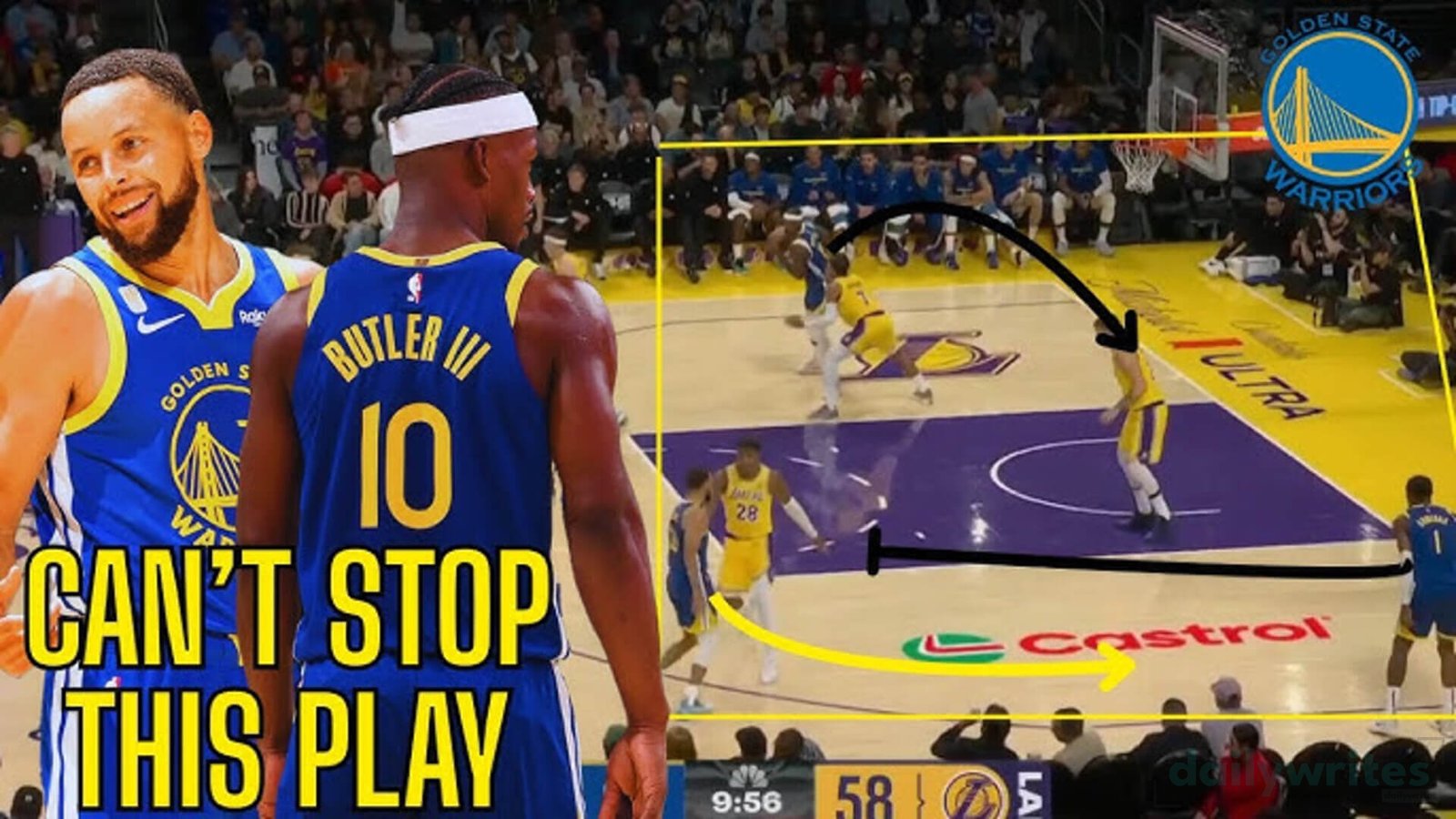

Golden State Warriors have long been recognized as one of the most strategically innovative teams in modern NBA history. Their success is not built solely on star talent, but on a carefully designed system that emphasizes movement, spacing, and decision-making. Analyzing their game strategies reveals how the Warriors consistently adapt to opponents while maintaining a recognizable identity rooted in pace, ball movement, and tactical discipline.
Offensive Philosophy Built on Motion and Spacing
The Warriors’ offensive system is centered around constant motion rather than isolation-heavy basketball. Players are rarely stationary, with off-ball screens, cuts, and handoffs creating continuous pressure on opposing defenses. This movement forces defenders to communicate perfectly, and even minor breakdowns can lead to open shots or easy finishes at the rim. Proper spacing is critical to this approach, as shooters positioned around the perimeter stretch the defense and open driving lanes, making help defense far more difficult.
The Role of Shooting Gravity in Offensive Execution
A defining element of Golden State’s strategy is shooting gravity, particularly created by elite shooters such as Stephen Curry. Defenders are often forced to pick him up well beyond the three-point line, which disrupts traditional defensive coverage. This extra defensive attention creates numerical advantages elsewhere on the floor, allowing teammates to exploit mismatches, attack closeouts, or generate high-percentage looks. The Warriors consistently leverage this gravity to manipulate defensive rotations rather than relying solely on individual scoring.
Ball Movement and Decision-Making Under Pressure
Golden State prioritizes quick decision-making over ball dominance. Passes are made early in possessions to shift the defense before it can set, and players are trained to read the floor instinctively. This unselfish style increases assist opportunities and reduces predictability, making it harder for opponents to scheme against a single scoring option. The emphasis on ball movement also helps maintain offensive efficiency even when key players are tightly guarded.
Defensive Strategy Focused on Versatility and Awareness
Defensively, the Warriors rely on switching, anticipation, and team awareness rather than pure physical dominance. Their system values players who can guard multiple positions and understand team rotations. By switching screens effectively, they limit open looks and prevent opponents from exploiting mismatches. Help defense is carefully timed, with players rotating quickly to contest shots without overcommitting and leaving shooters open.
Transition Play and Pace Control
Another crucial part of Golden State’s strategy is controlling tempo through transition play. After defensive stops or long rebounds, the team looks to push the ball quickly, capitalizing on unsettled defenses. Even when fast breaks do not result in immediate scores, early offensive actions force opponents to react quickly, often leading to breakdowns later in the possession. This ability to shift between fast-paced attacks and controlled half-court sets gives the Warriors tactical flexibility.
Coaching Influence and System Consistency
The Warriors’ strategic identity is heavily shaped by their coaching philosophy, which emphasizes discipline, trust, and adaptability. Rather than changing systems based on short-term trends, the team focuses on refining its core principles. Adjustments are made within the framework rather than abandoning it, allowing players to perform confidently even under playoff pressure. This consistency is a key reason the Warriors’ system remains effective across different seasons and roster changes.
Conclusion
In conclusion, the Golden State Warriors’ game strategies are built on intelligent design rather than individual dominance alone. Their emphasis on motion offense, shooting gravity, defensive versatility, and pace control creates a balanced system that challenges opponents on both ends of the floor. By prioritizing teamwork, spacing, and decision-making, the Warriors have established a strategic model that continues to influence modern basketball and demonstrates how structure and execution can elevate sustained success.

Other Articles

10 Reasons the Geekzilla Podcast Is Worth Listening To
Top 5 Vanderbilt Football Players to Watch in 2026