



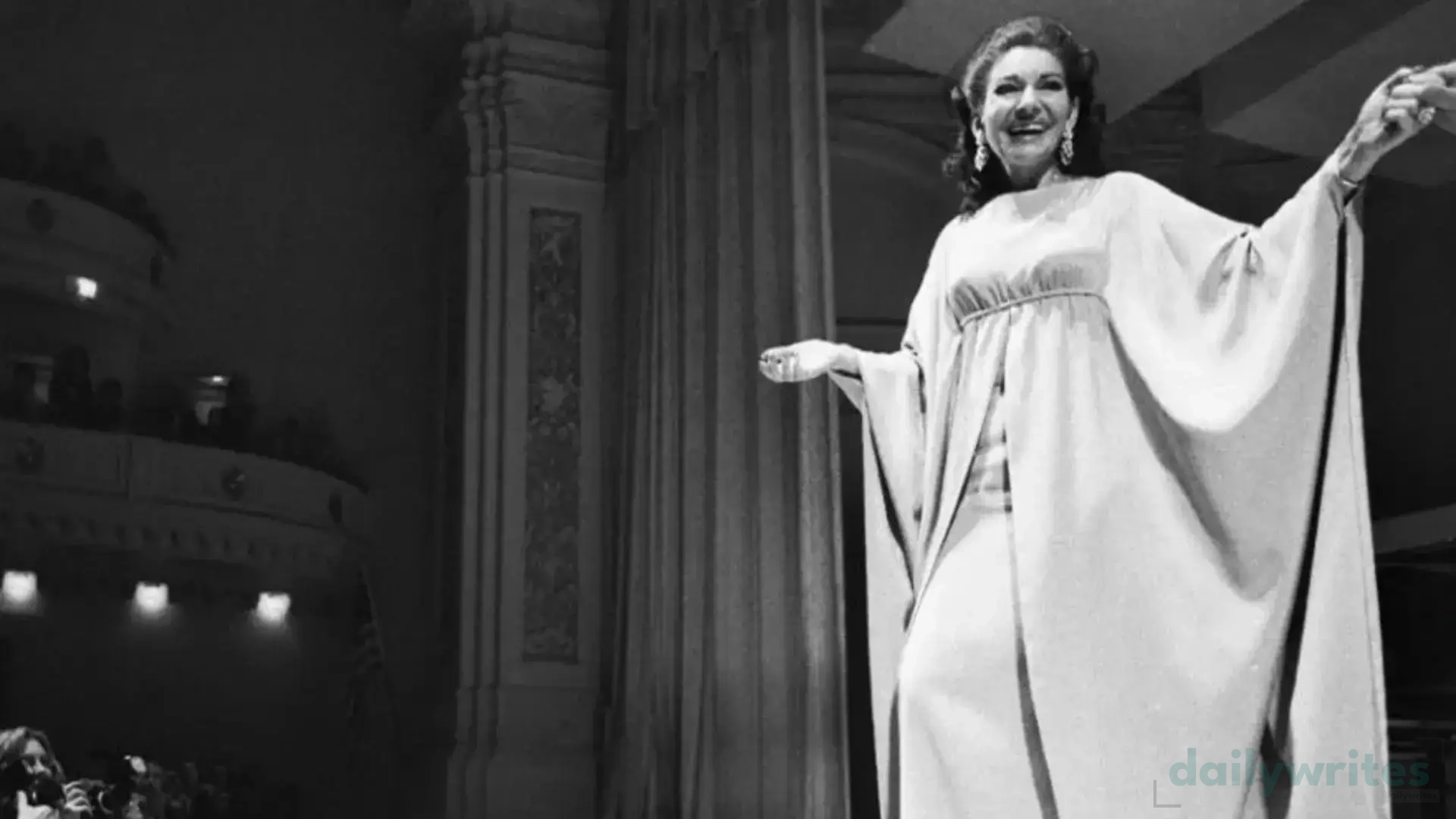

Maria Callas remains one of the most influential and transformative figures in the history of opera. Revered for her extraordinary vocal range, dramatic intensity, and uncompromising artistic standards, Callas reshaped how opera singers approached both music and performance. Her legacy endures not only through recordings and performances but also through the lasting impact she had on operatic interpretation and stage realism.
Early Life and Musical Formation
Maria Callas was born in New York City to Greek immigrant parents, and her musical talent became evident at a young age. Her early training took place in Greece, where she studied classical vocal techniques with rigorous discipline. These formative years were marked by intense practice and a deep immersion in operatic tradition, particularly the bel canto style. This foundation allowed Callas to develop exceptional technical control while also cultivating a strong emotional connection to music, a balance that would later define her artistry.
Vocal Technique and Artistic Innovation
What set Maria Callas apart from her contemporaries was not only her voice but how she used it. She possessed a rare ability to combine vocal power with agility, allowing her to perform demanding roles that required both dramatic weight and delicate phrasing. Callas revived many forgotten operas by composers such as Bellini and Donizetti, reintroducing them to modern audiences with fresh interpretative depth. Her willingness to prioritize emotional truth over pure vocal beauty challenged traditional operatic norms and expanded expectations for soprano performances.
Dramatic Expression and Stage Presence
Maria Callas transformed opera into a more theatrical and emotionally immersive experience. Her performances were defined by intense character study, expressive physical movement, and psychological realism. Unlike many singers of her era, Callas treated each role as a fully developed dramatic character rather than a showcase for vocal display. This approach elevated opera as a dramatic art form and influenced generations of performers who followed her example.
Career Highlights and Iconic Roles
Throughout her career, Callas delivered unforgettable interpretations of iconic roles such as Tosca, Norma, and Violetta. Her performances at major opera houses, including La Scala, solidified her reputation as a dominant force in the operatic world. These roles showcased her ability to navigate complex emotional arcs while maintaining technical precision, reinforcing her status as both a vocal and dramatic powerhouse.
Personal Struggles and Public Scrutiny
Despite her artistic success, Maria Callas’s life was marked by intense personal challenges. Her dramatic weight loss, highly publicized relationships, and eventual vocal decline were subjects of constant media attention. These struggles often overshadowed her achievements during her lifetime, yet they also humanized her in the eyes of the public. Callas’s vulnerability, combined with her relentless pursuit of artistic excellence, added layers of complexity to her public image.
Enduring Legacy in Opera History
Maria Callas’s influence continues to shape modern opera. Singers, directors, and scholars frequently cite her as a turning point in operatic performance, crediting her with restoring dramatic authenticity to the art form. Her recordings remain widely studied and admired, serving as benchmarks for interpretation and emotional depth. Callas is remembered not simply as a great singer, but as an artist who redefined what opera could be.
Conclusion
In conclusion, Maria Callas’s genius lay in her ability to merge technical mastery with profound emotional expression. She challenged conventions, revived neglected works, and transformed operatic performance into a deeply human experience. Though her career was marked by both triumph and turmoil, her artistic legacy remains unmatched. Maria Callas endures as a legendary soprano whose influence continues to resonate throughout the world of classical music and opera.

Other Articles

Lufanest: Origins, Symbolism, and Future Potential
Exploring Newtopy: The Future of Digital Innovation