




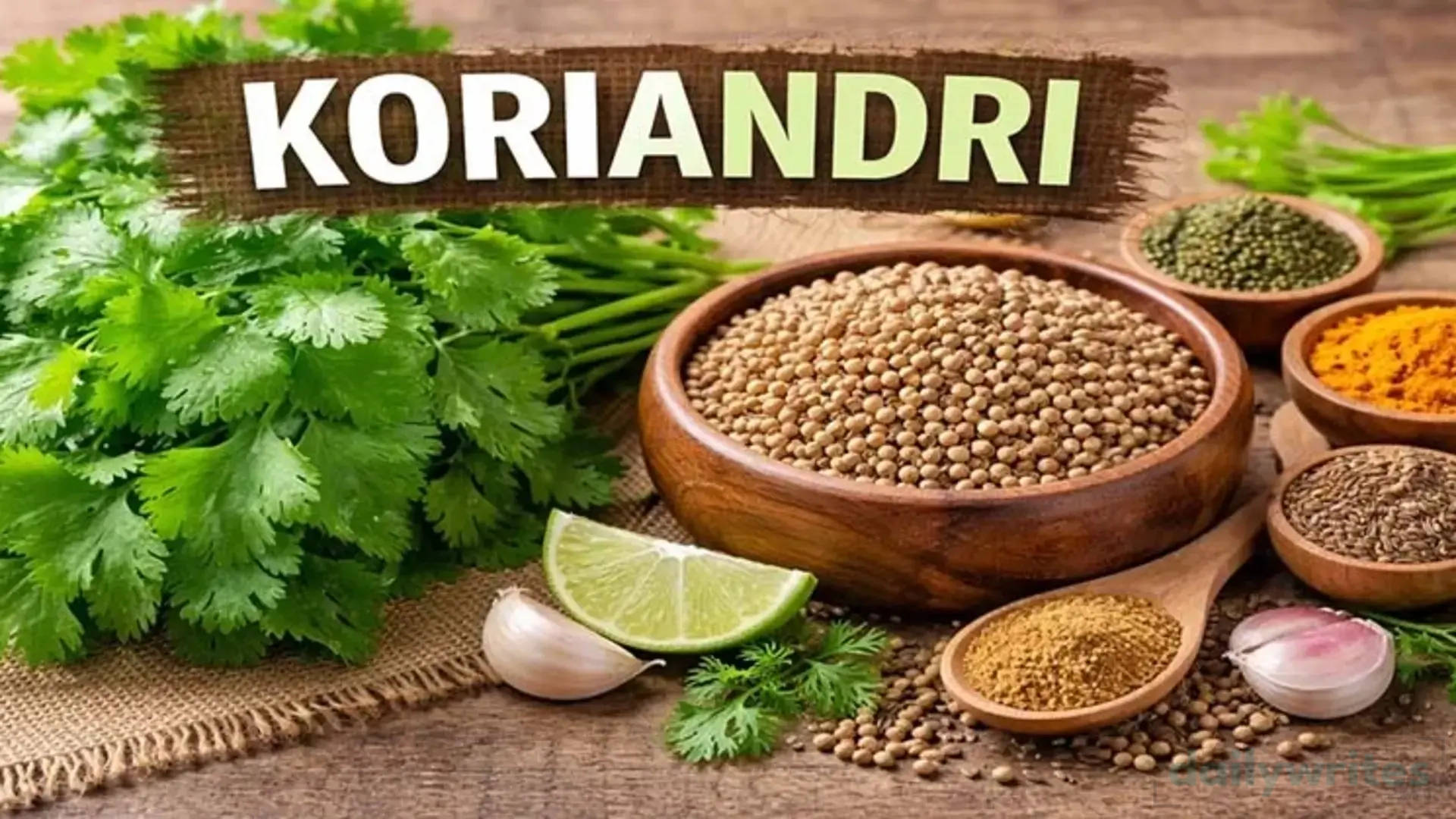

Koriandri, commonly known as coriander or cilantro, is a versatile herb widely used in everyday cooking for its fresh aroma and distinctive flavor. It is popular across many cuisines, especially South Asian, Middle Eastern, and Latin dishes, and is valued not only for taste but also for its digestive and nutritional benefits. Using koriandri correctly can elevate simple meals without adding complexity, making it an essential ingredient in daily kitchens.
Using Fresh Koriandri as a Garnish
One of the simplest ways to use koriandri is as a fresh garnish. Finely chopped coriander leaves sprinkled over curries, lentils, rice dishes, or vegetables add brightness and freshness just before serving. This method preserves its natural aroma and enhances the overall presentation and flavor without overpowering the dish.
Blending Koriandri into Chutneys and Sauces
Koriandri is commonly used to prepare green chutneys and sauces that pair well with snacks, grilled foods, and meals. Blending fresh coriander with green chilies, lemon juice, garlic, and spices creates a flavorful accompaniment that can be stored briefly and used throughout the week to add instant taste to everyday dishes.
Adding Koriandri to Soups and Stews
Chopped koriandri can be stirred into soups and stews near the end of cooking to retain its freshness. Whether added to vegetable soups, chicken broth, or lentil stews, koriandri provides a subtle herbal note that balances richer flavors and enhances overall depth.
Incorporating Koriandri into Rice Dishes
Koriandri works exceptionally well in rice-based meals. It can be mixed into plain rice, vegetable pulao, or fried rice to add aroma and color. Using koriandri in rice dishes makes them more vibrant and flavorful without the need for heavy spices.
Using Koriandri in Marinades
Fresh koriandri can be blended into marinades for chicken, fish, or vegetables. Combined with yogurt, spices, and citrus, koriandri helps tenderize ingredients while adding a fresh herbal flavor. This method is ideal for grilling, roasting, or pan-cooking everyday proteins.
Mixing Koriandri into Salads
Koriandri adds freshness to simple salads made with tomatoes, cucumbers, onions, or beans. Finely chopped leaves mixed into salads enhance taste and aroma while contributing nutrients. It works especially well in light, lemon-based dressings and yogurt salads.
Flavoring Omelets and Eggs with Koriandri
Adding chopped koriandri to omelets, scrambled eggs, or boiled egg preparations is an easy way to enhance breakfast dishes. The herb pairs well with eggs, adding freshness and reducing the need for extra seasoning while keeping meals light and flavorful.
Using Koriandri in Dough and Batters
Koriandri can be mixed directly into doughs and batters for items like flatbreads, fritters, or savory pancakes. This allows the flavor to infuse throughout the dish during cooking, making it a practical way to use coriander in everyday homemade foods.
Adding Koriandri to Vegetable Stir-Fries
Sprinkling fresh koriandri over vegetable stir-fries just before serving adds a refreshing contrast to cooked vegetables. It helps balance spices and oils while enhancing the dish’s aroma, making simple vegetables more appealing and flavorful.
Preserving Koriandri for Regular Use
Koriandri can be stored properly to ensure daily availability. Washing, drying, and refrigerating it in an airtight container or freezing chopped coriander in small portions helps maintain freshness. This makes it easier to incorporate koriandri into everyday cooking without waste.
Conclusion
Koriandri is a simple yet powerful ingredient that fits effortlessly into everyday cooking. From garnishing and sauces to marinades and rice dishes, its versatility makes it easy to enhance meals with minimal effort. By using koriandri in these practical ways, home cooks can improve flavor, aroma, and nutritional value while keeping daily meals fresh and enjoyable.

Other Articles

Nikane Madeira Net Worth in 2026: Latest Estimate
CJMonsoon: Meaning and Digital Brand Influence