




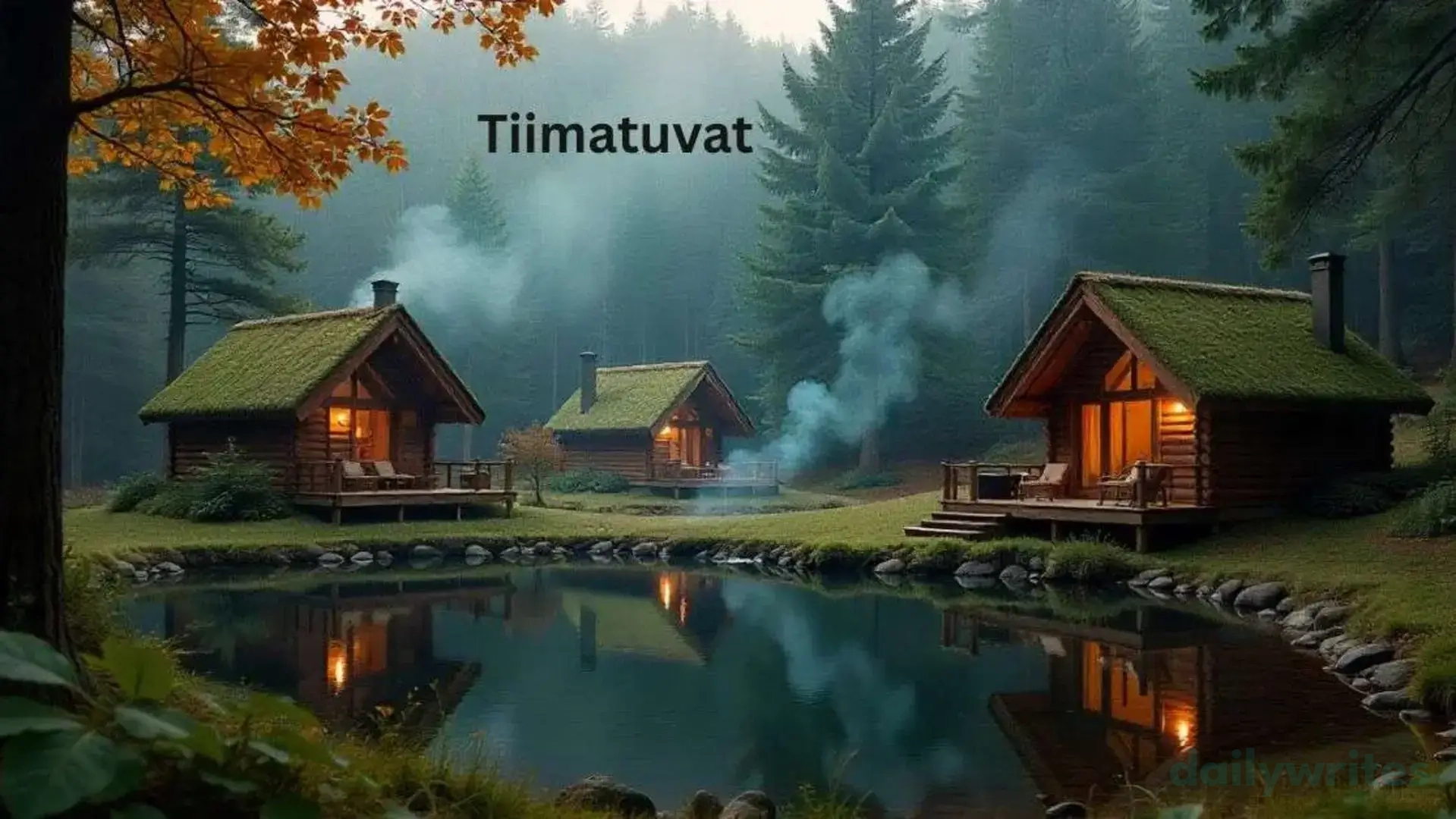

Tiimatuvat represent an important yet often overlooked element of traditional Finnish architecture, reflecting how rural communities in Finland organized daily life, labor, and social interaction. Rooted in practicality and shaped by harsh climatic conditions, tiimatuvat were communal living and working spaces that emphasized cooperation, durability, and efficient use of resources. Their architectural design offers valuable insight into Finnish cultural values such as collectivism, resilience, and respect for the natural environment.
Understanding the Concept of Tiimatuvat
Tiimatuvat were shared buildings commonly found in rural Finnish settings, particularly in agricultural communities. Rather than serving a single household, these structures were designed to accommodate multiple people working or living together during specific seasons. The concept reflects a lifestyle where cooperation was essential for survival, especially during long winters and labor-intensive farming periods. Architecturally, tiimatuvat were simple yet highly functional, prioritizing space efficiency and communal use over decorative elements.
Architectural Design and Structural Features
The architecture of tiimatuvat was heavily influenced by Finland’s climate and available materials. Timber was the primary construction material, chosen for its insulation properties and local availability. Thick log walls helped retain heat, while compact layouts minimized exposure to cold air. Roofs were steeply pitched to prevent snow accumulation, and windows were modest in size to reduce heat loss. These design choices demonstrate a deep understanding of environmental adaptation rather than aesthetic ambition.
Interior Layout and Communal Function
Inside tiimatuvat, the layout was intentionally open to support shared activities such as cooking, resting, and planning daily work. Central hearths played a crucial role, providing warmth, light, and a gathering point for occupants. Sleeping arrangements were often flexible, using benches or loft spaces to accommodate varying numbers of people. This interior organization reflects Finnish traditions of shared responsibility and collective living, where individual comfort was secondary to group efficiency.
Cultural Significance in Finnish Rural Life
Tiimatuvat were more than architectural structures; they were social institutions. They reinforced communal bonds by bringing people together in shared spaces where knowledge, traditions, and responsibilities were passed down. These buildings supported seasonal labor patterns, particularly during harvesting or forestry work, when cooperation was essential. The existence of tiimatuvat highlights how architecture functioned as a tool for social cohesion in traditional Finnish society.
Relationship With Nature and Sustainability
A defining feature of tiimatuvat architecture is its harmony with nature. The use of locally sourced wood, minimal land disturbance, and energy-efficient layouts aligns closely with modern sustainability principles. Finnish builders designed tiimatuvat to coexist with surrounding landscapes rather than dominate them. This approach reflects a cultural mindset that values balance with nature, a theme that continues to influence contemporary Finnish architectural philosophy.
Influence on Modern Finnish Architecture
Although tiimatuvat are no longer widely used in their original form, their architectural principles persist in modern Finnish design. Open-plan interiors, functional minimalism, and sustainable material choices can all be traced back to these traditional structures. Architects and designers often reference tiimatuvat when exploring community-oriented housing and eco-conscious building concepts, demonstrating their lasting relevance.
Conclusion
In conclusion, tiimatuvat offer a compelling window into Finnish architectural traditions shaped by environment, community, and necessity. Their practical design, communal purpose, and sustainable construction reflect core Finnish values that continue to resonate today. By examining tiimatuvat, we gain a deeper understanding of how architecture can serve not only as shelter but as a foundation for social structure, cultural continuity, and harmonious living with nature.

Other Articles

Measles Outbreak Explained: Causes, Risks, and Prevention
Wifekivers Explained: Meaning, Trend, and Relationship Impact