


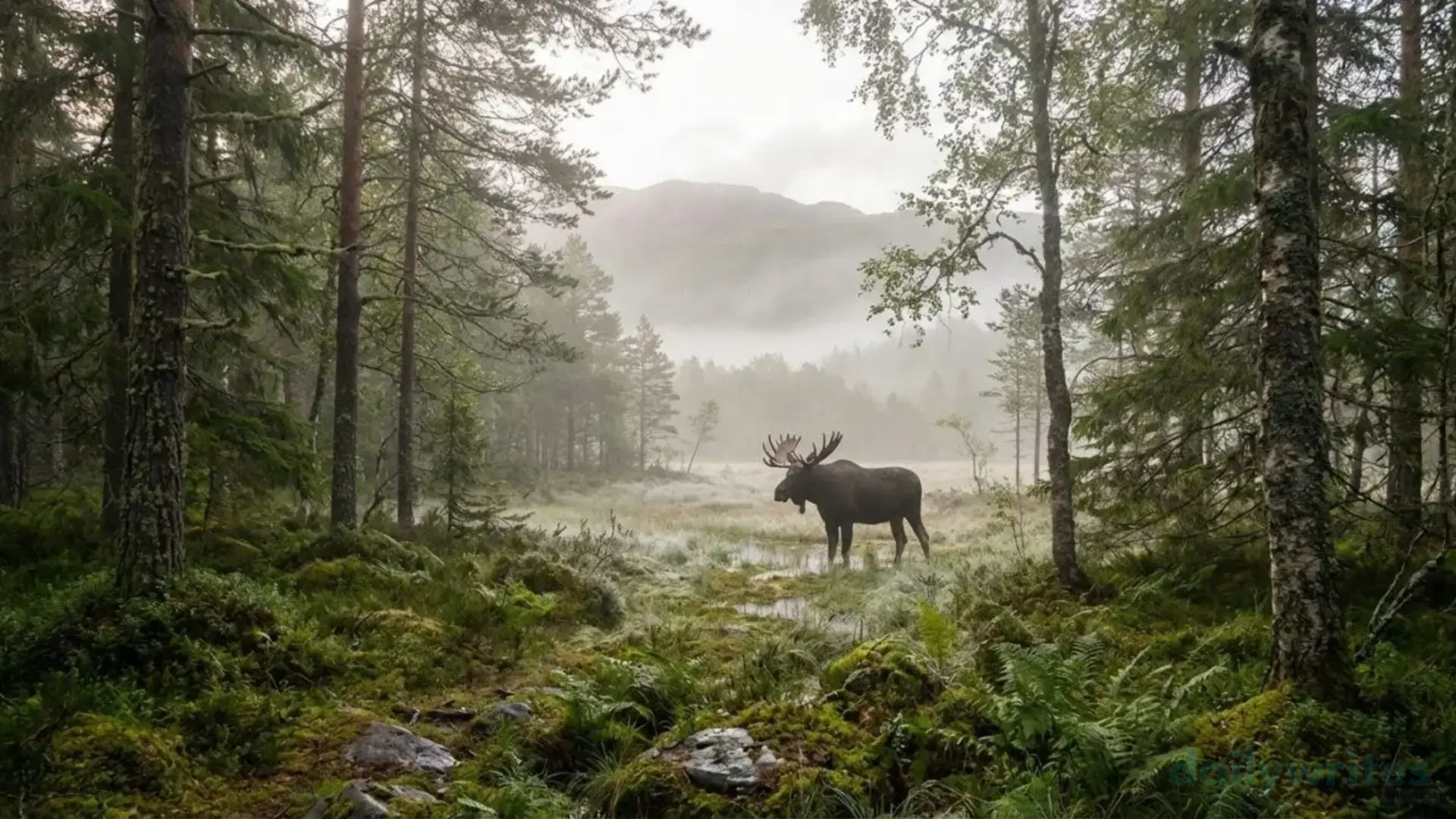

Viltnemnda is a local wildlife management body in Norway that plays a critical role in balancing wildlife conservation with human interests such as agriculture, safety, and sustainable hunting. Operating at the municipal level, Viltnemnda works within Norway’s environmental and wildlife laws to ensure responsible management of wild animal populations. Below are seven key facts that explain what Viltnemnda is, how it functions, and why it matters.
Viltnemnda Is a Municipal Wildlife Authority
Viltnemnda operates at the municipality level in Norway and acts as the local authority for wildlife-related matters. Its members are appointed by municipal councils, giving the committee a direct connection to local governance. This structure ensures that wildlife decisions are made with strong awareness of local environmental conditions, land use, and community concerns rather than relying solely on centralized national control.
Its Main Role Is Sustainable Wildlife Management
One of Viltnemnda’s primary responsibilities is ensuring that wildlife populations remain healthy and sustainable over time. This includes monitoring animal numbers, assessing habitat conditions, and advising on population control when necessary. The goal is not only conservation but also balance, ensuring that wildlife can coexist with farming, forestry, and human settlements without causing long-term ecological or economic harm.
Viltnemnda Plays a Key Role in Hunting Regulation
Viltnemnda is closely involved in regulating hunting activities within its municipality. It helps manage hunting quotas, seasons, and permissions in line with national guidelines. By doing so, the committee supports ethical and legal hunting practices while preventing overhunting or population decline. This role is especially important in managing species such as moose, deer, and other game animals common in Norway.
It Handles Wildlife Conflict and Damage Cases
Human–wildlife conflict is a major part of Viltnemnda’s workload. The committee addresses cases where wild animals cause damage to crops, livestock, or property, or pose safety risks. In such situations, Viltnemnda evaluates reports, coordinates preventive measures, and may authorize controlled actions to reduce harm. This function helps protect both rural livelihoods and animal welfare.
Large Carnivore Management Is Part of Its Responsibilities
Viltnemnda is involved in managing large carnivores such as wolves, bears, lynx, and wolverines, within the framework set by national authorities. While it does not act independently in these sensitive cases, it provides local assessments and recommendations. This local input is crucial in shaping decisions that affect both conservation goals and communities living near carnivore habitats.
It Works Under National Environmental Laws
Although Viltnemnda operates locally, its authority is defined and limited by Norway’s national wildlife and environmental legislation. The committee must follow laws and regulations issued by national agencies, ensuring consistency across the country. This legal framework helps maintain transparency, accountability, and alignment with Norway’s broader conservation policies and international environmental commitments.
Viltnemnda Connects Local Communities With National Policy
One of Viltnemnda’s most important but less visible roles is acting as a bridge between local communities and national wildlife policy. By conveying local knowledge, concerns, and data to higher authorities, the committee ensures that national decisions are informed by real-world conditions. At the same time, it helps communicate national rules and conservation goals back to the local population, promoting cooperation and understanding.
Conclusion
In conclusion, Viltnemnda is a vital part of Norway’s wildlife management system, combining local knowledge with national environmental policy to achieve sustainable outcomes. Its work spans conservation, hunting regulation, conflict management, and community engagement, making it essential for maintaining balance between nature and society. Understanding how Viltnemnda functions provides valuable insight into Norway’s structured and responsible approach to wildlife governance.

Other Articles
Pravi Celery: Healthy Recipe Tips and Uses
7 Modern Markiseteppe Styles to Elevate Interior Design