




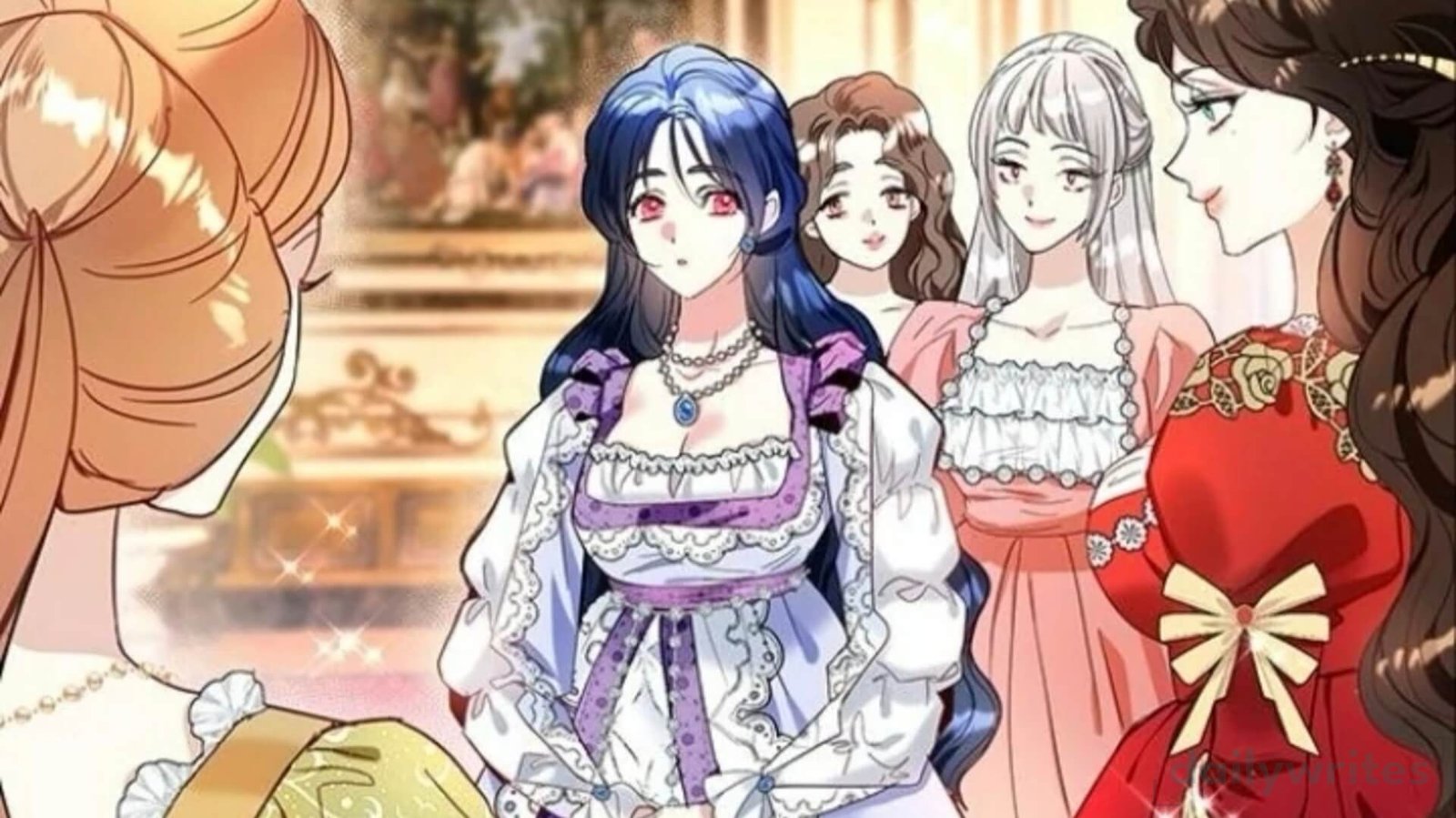

My Dead Lover Returned as a Tyrant is a dark fantasy romance that blends emotional loss, political power, and tragic transformation. What begins as a story of grief and remembrance quickly evolves into a tale of fear, moral conflict, and unresolved love. The novel’s major spoilers reveal how death, rebirth, and authority reshape both the male lead and the emotional foundation of the story.
The Lover’s Death Was Never a Natural Ending
A major early spoiler reveals that the male lead’s death was not a simple tragedy meant to close his story. His death acts as a narrative pivot rather than a conclusion. Hints throughout the early chapters suggest external manipulation, political betrayal, and unfinished business tied to the imperial power structure. This revelation reframes the female lead’s grief, turning it from quiet mourning into a prelude for something far darker.
His Return as a Tyrant Is a Complete Transformation
When the lover returns, he is no longer the gentle, emotionally open person the protagonist once knew. He reappears as a tyrant ruler, wielding absolute authority and commanding fear rather than affection. This transformation is not merely political but psychological. His rebirth strips away vulnerability and replaces it with emotional distance, suspicion, and cruelty shaped by betrayal and isolation during his absence.
Memories Remain, but Love Is Distorted
One of the most painful spoilers is that the tyrant retains memories of his past relationship, but those memories are warped by resentment and trauma. While he recognizes the female lead, his emotions toward her are conflicted. Love exists beneath layers of anger and mistrust, creating tense interactions filled with emotional imbalance. The story makes it clear that remembering love does not guarantee the ability to feel it in the same way.
The Female Lead Becomes a Political Liability
As the tyrant consolidates power, the female lead’s existence becomes dangerous. Her connection to his former self makes her both emotionally significant and politically threatening. Court factions view her as leverage, weakness, or a reminder of the tyrant’s humanity. This shifts her role from grieving lover to a central figure in imperial power struggles, forcing her to navigate survival within a hostile political environment.
Love Versus Power Becomes the Central Conflict
Rather than focusing on romance alone, the novel explores whether love can survive absolute power. The tyrant repeatedly chooses authority, stability, and control over emotional honesty. Each decision widens the emotional distance between him and the female lead. These choices emphasize the story’s core tension: power gained through loss may be irreversible, even when love remains.
The Tyrant’s Cruelty Is Rooted in Fear, Not Evil
A key spoiler clarifies that the tyrant’s brutality is not born from inherent malice but from fear of vulnerability. His past death, betrayal, and rebirth convince him that emotional attachment leads to destruction. This internal logic makes him a tragic figure rather than a purely villainous one, deepening the emotional complexity of the narrative and challenging the reader’s sympathy.
The Relationship Can Never Return to What It Was
One of the most definitive spoilers is the novel’s rejection of full restoration. Even when moments of tenderness surface, the story makes it clear that the past relationship cannot be recreated. Too much has changed, and too many sacrifices have been made. This refusal to offer easy emotional resolution sets the novel apart from traditional romance narratives.
Conclusion
In conclusion, My Dead Lover Returned as a Tyrant uses its major spoilers to tell a story about irreversible change, power gained through loss, and love strained by trauma. The tyrant’s return is not a miracle but a haunting reminder that death and rebirth reshape people in permanent ways. By refusing to romanticize absolute power or guarantee emotional restoration, the novel delivers a bittersweet narrative that emphasizes realism within fantasy. Its central message is clear: love may survive memory, but it cannot always survive transformation.

Other Articles

8 Health Benefits of Drinking Smoothiepussit Daily
Star Embracing Swordmaster: Full Story, Spoilers, and Facts